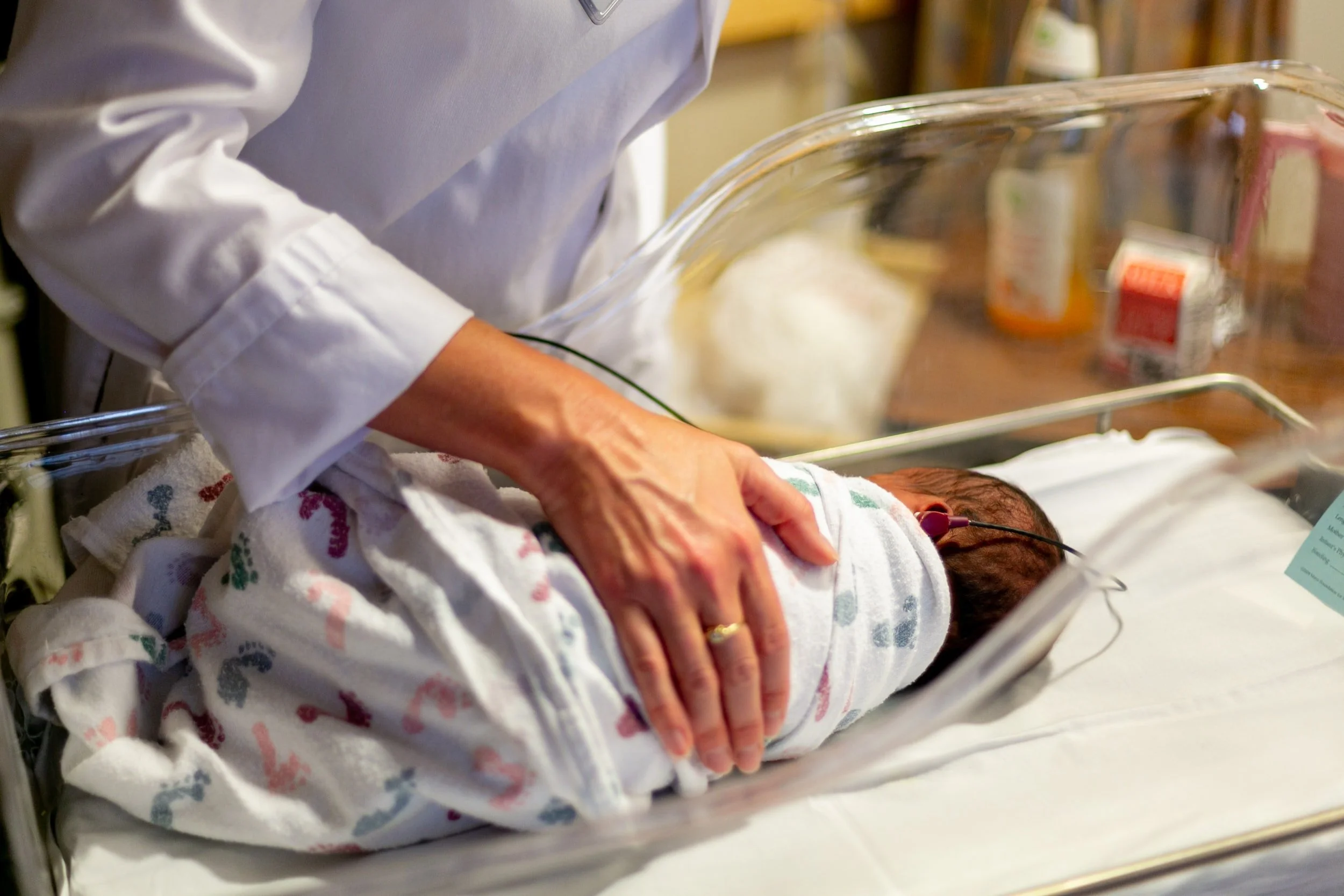
Perineal tears are a very common experience after vaginal birth and are estimated to occur in up to 9 out of 10 new mothers. The experience of a tear may equally be upsetting or worrying to a new mum so it can be helpful to know what to expect from recovery and when to seek help if recovery isn’t as expected.
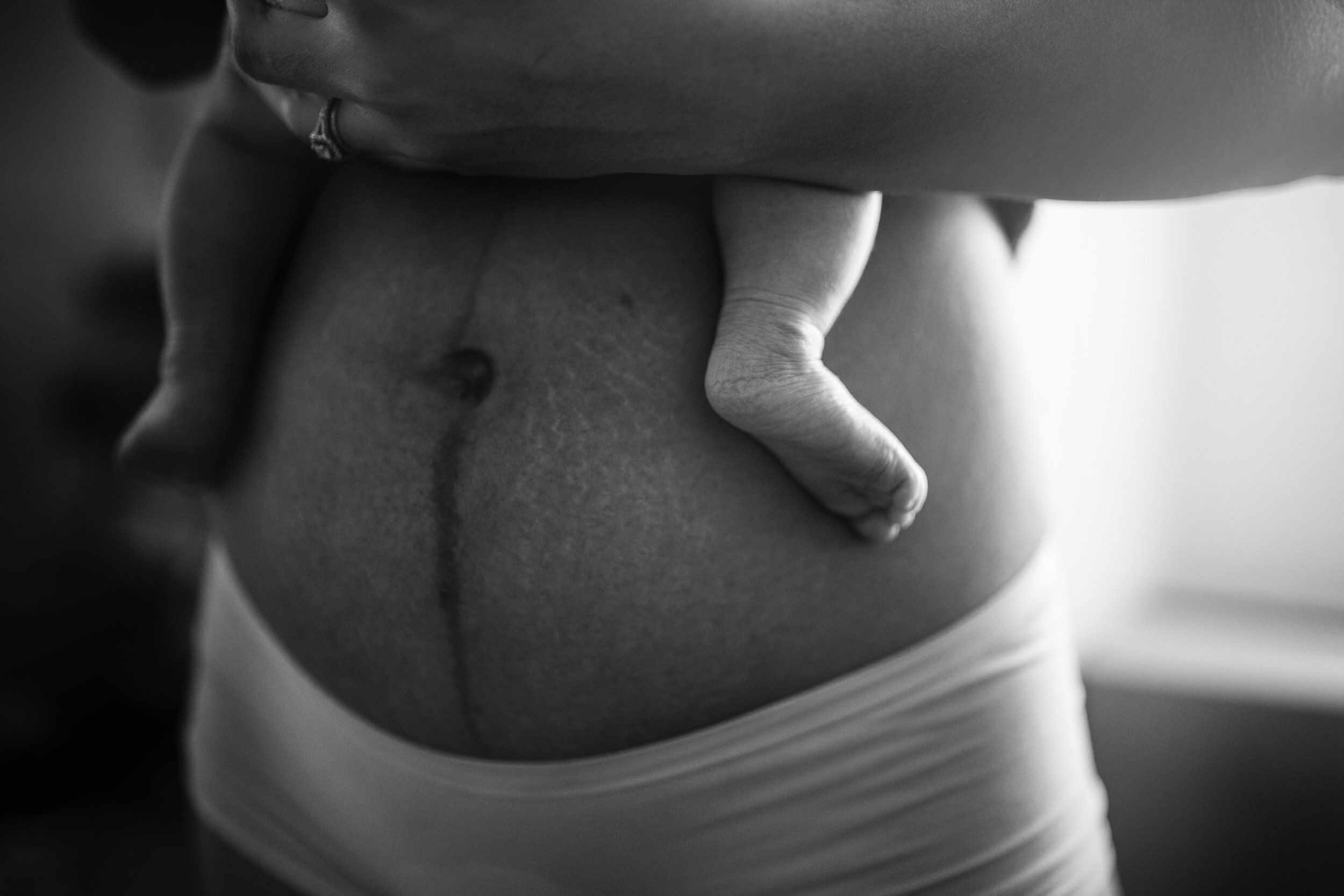
Improving your recovery from Abdominal Separation
How to launch your Pelvic Health Physio career!
5 Tips to manage mastitis and blocked ducts
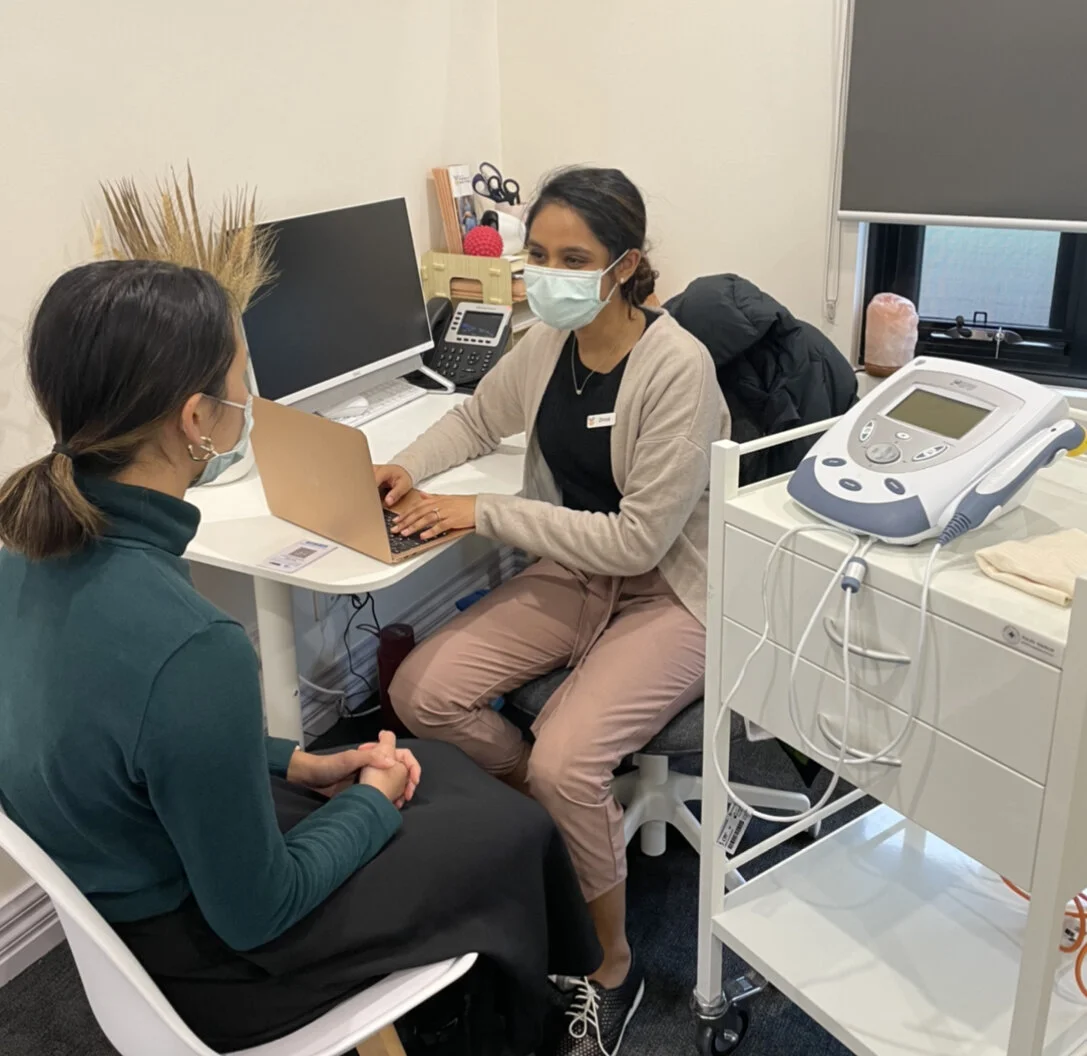
herapeutic Ultrasound can be used to help clear blocked ducts. The Ultrasound machine transmits heat into the deep tissues of your breast which helps to break up blockages in your milk ducts into smaller parts. Ultrasound therapy is also thought to have an inflammatory effect and these benefits are still being studied. It is very important to feed or express 30 mins after the treatment as it can unclog your ducts and then continue to feed frequently from the affected side to prevent further blockages from occurring. Generally, we advise three ultrasound treatments over the course of three days for the most relief!
Caesarean Section Incision Care
Persistent Pelvic Pain
Prenatal Yoga: Benefits to You and Baby
Physiotherapy during Stage 4 Restrictions in Victoria
How to correct your posture
Benefits of a regular bowel motion
Exercise during pregnancy
Introducing Online Women's Health Physio
Considering a pregnancy massage? Here's what you need to know!
Hello there! You must be pregnant, know someone who is, or are preparing for the beautiful journey that is pregnancy.
You might be wondering when a good time would be to start treatments such as massages, what the benefits and contraindications would be, how it all happens?
Read on for a thorough guide to what you should consider before booking in for your pregnancy massage treatment.
Blog by our wonderful Myotherapist and Remedial Massage Therapist Stefanie Iverson.
What to expect from you visit to a pelvic floor physio
Pelvic Floor Physiotherapy is a very specific and specialised field of Physiotherapy, with a particular emphasis on not only optimising pelvic health, but also general wellbeing.
In the initial consultation with your Pelvic Floor Physiotherapist, you can expect that your Physiotherapist will take a comprehensive medical history from you and may ask specific questions relating to your bladder/bowel/sexual and obstetric history. They will also ask what led you to making the appointment, as well as what your goals are for Physiotherapy. This will all help with individualised and holistic treatment planning.
Top 5 things to pack in your hospital bag (according to a women's health physio)
Abdominal separation: sorting the fact from the fiction
“I’ve torn my tummy muscles’ might be one of the most common statements we hear in the clinic room. However, the hype and misinformation that exists (surrounding what is essentially a normal change associated with pregnancy), is one of the most worrying things we deal with on a daily basis (beyond any perceived or actual ‘tearing’ of abdominal tissues - which is rare).
Perineal massage: preparing the pelvic floor for birth.
We often see athletes preparing for a race by stretching their muscles to avoid tearing. Well why not take a leaf out of their book and do the same to prepare the body for birth? Massaging the perineum at the end of pregnancy can help you prepare these muscles for the sensations of stretch and pressure which will be experienced as the baby passes through the birth canal and may help to reduce the incidence of severe tearing.